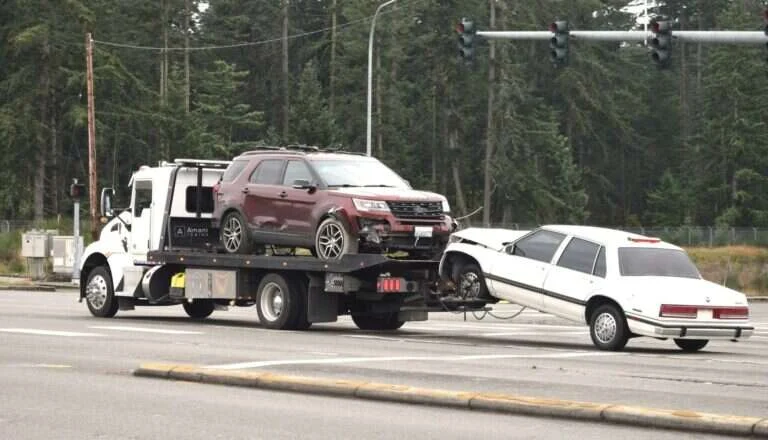



Dealer Vehicle Transport: How Standing Accounts Save Dealerships Money
Most dealerships depend on dealer vehicle transport every week: auction pickups, inventory transfers between rooftops, customer deliveries, trade-ins that will not start. Handled call-by-call, that becomes a hidden cost.
In this guide
Where the money actually goes
The invoice is only part of it. The rest is:
- Staff time. Somebody calls around for availability, negotiates, then chases the driver. That is an hour of a salaried person’s day, repeatedly.
- Unpredictable timing. A car that arrives whenever a carrier had a gap is a car that cannot be photographed, prepped or sold on schedule.
- Inconsistent handling. A different driver each time means no shared standard for how your inventory is loaded and documented.
- Disputes without evidence. When nobody logged the condition at pickup, an argument about a scratch has no answer.
What a standing account changes
A standing account is simply an agreement that we handle your moves on agreed terms and an agreed schedule, invoiced periodically rather than job by job.
- Booking is one message. No quoting cycle for routine work.
- Priority scheduling. Account work gets planned into the week rather than squeezed into gaps.
- Consistent drivers who learn your sites, your gate codes and how you want vehicles handled.
- Condition photos at both ends, logged as standard, so disputes end before they start.
- One reconciled invoice instead of dozens of receipts.
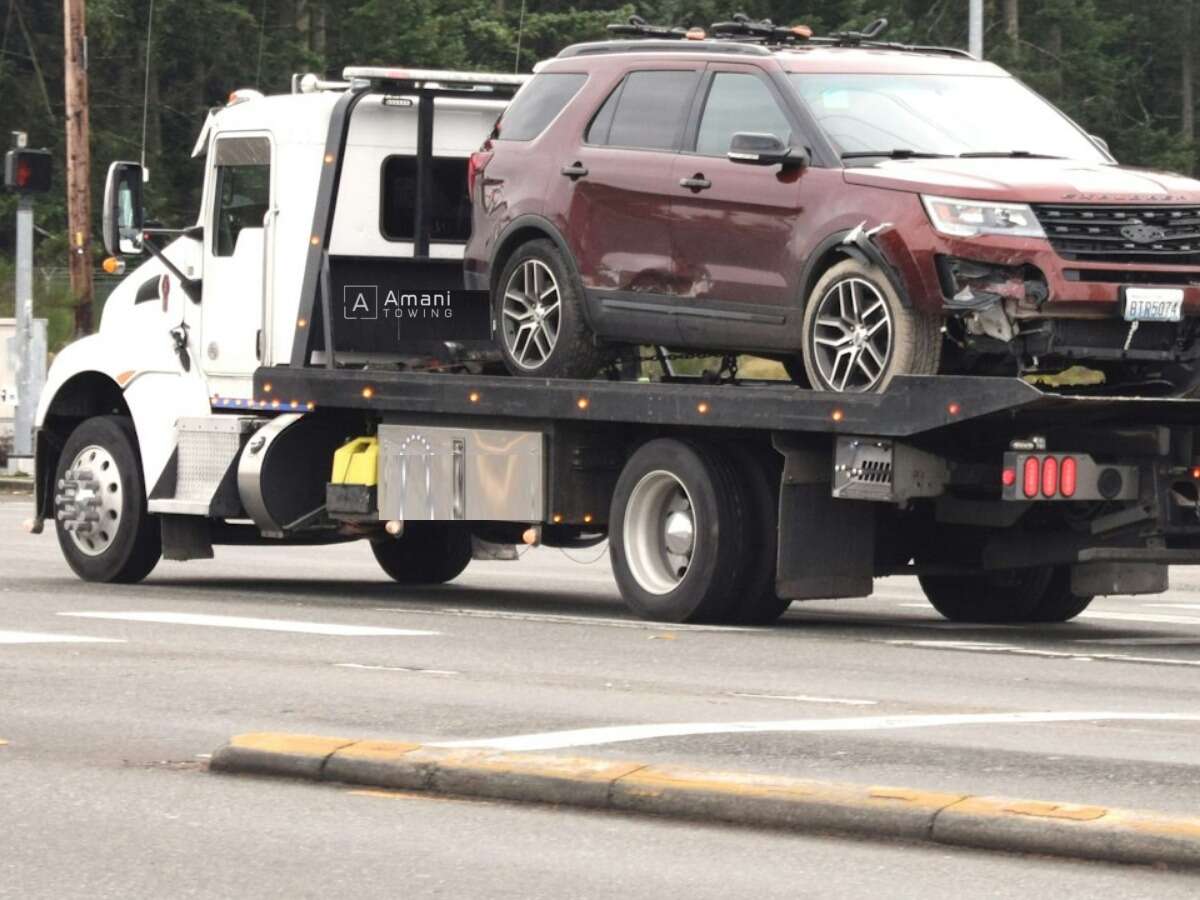
The dealer vehicle transport jobs an account covers
- Auction pickups, including Manheim Birmingham and America’s Auto Auction.
- Inventory transfers between locations.
- Customer deliveries where presentation matters.
- Trade-ins and non-runners that need a flatbed.
- Service loaners and vehicles moving to and from body shops.
Questions worth asking any transport partner
- What is your typical turnaround for a routine transfer, and what happens when it slips?
- Do you photograph condition at pickup and delivery as standard, or only on request?
- Are you insured for the value of the vehicles you will be carrying, and can I see the certificate?
- Will the same drivers cover our sites, and how are they trained?
- How are non-runners and low-clearance vehicles handled?
- How and when are we invoiced?
Any transport company worth using will answer all six without hesitating. On training, the Towing and Recovery Association of America explains the difference between certification and training, which is a useful frame for that conversation.
Is it worth it at your volume?
Rough guide: if you are moving more than a handful of vehicles a month, or if a delayed transfer has ever held up a sale, an account will pay for itself in staff time before you look at the rates.
How to set up a dealer vehicle transport account
It starts with a short application on our dealer account page: your business name, a contact, your address, the kind of business you run and a rough idea of how many vehicles you move. We follow up to agree on the sites, the regular runs and how you want vehicles handled, and routine moves can then be booked with a single message.
Repair shops, fleets and auction buyers use the same account. You do not need to be a franchise dealer.
Dealer transport FAQ
Do you move non-running trade-ins?
Yes. Non-runners and damaged vehicles go on a flatbed, and we bring skates when wheels will not turn.
Can we still book one-off moves?
Yes. An account simply makes the routine work faster to arrange; one-off jobs are always welcome.
What does dealer transport look like for a bigger operation?
For a wider look at how transport affects inventory turn and cash flow, read how Alabama car dealers save time and money with vehicle transport.
Amani Towing runs dealer and auction transport across the Birmingham metro with our own trucks and drivers. Apply for an account on our dealer account page, or call (205) 210-8809 to talk it through.